
What Size Generator Do I Need? A Complete Sizing Guide
January 26, 2026
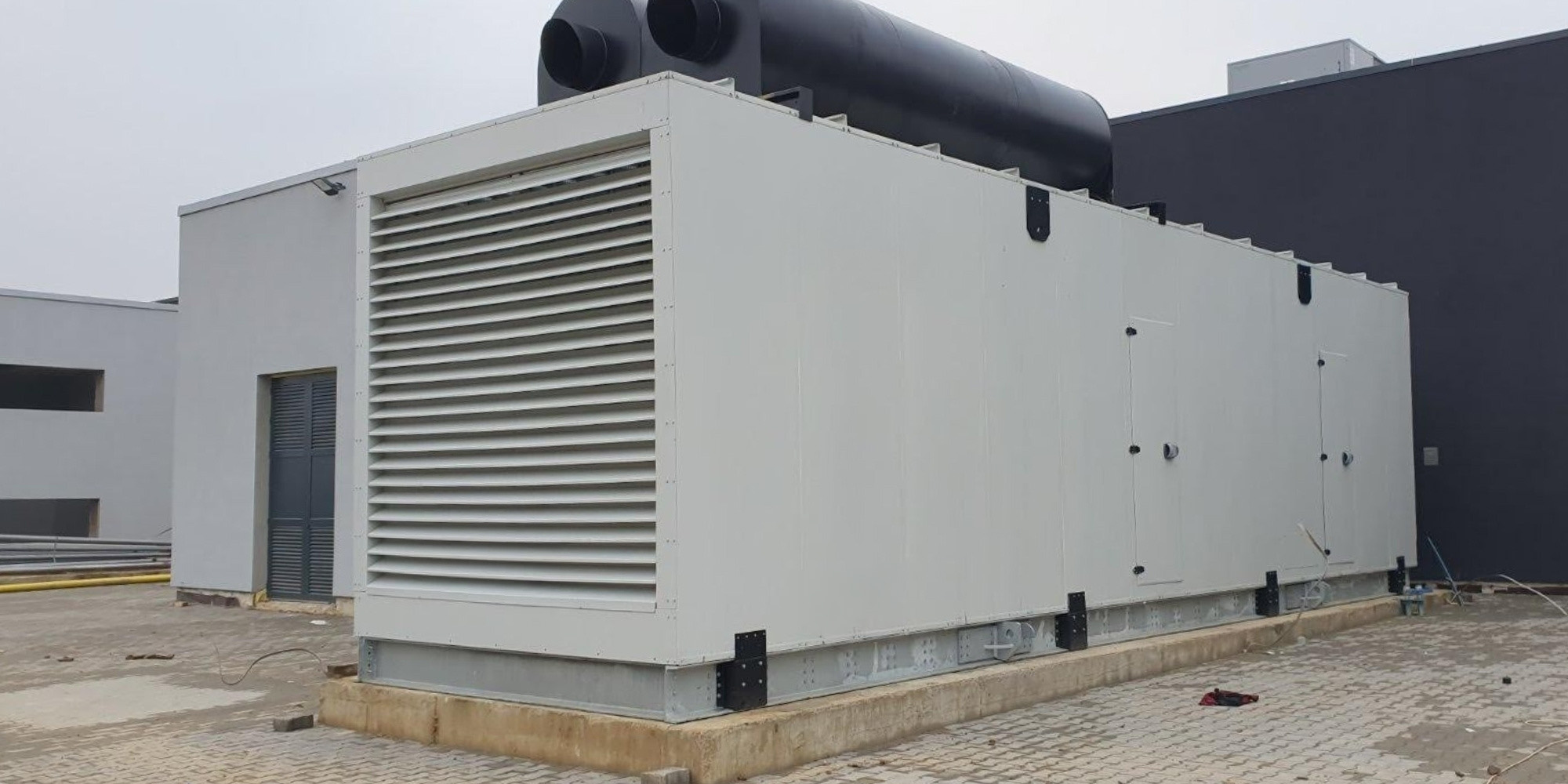
Choosing the right size generator is one of the most important decisions you will make when investing in backup power. Get it wrong, and you could end up with a unit that struggles to cope with your electrical demands, leading to equipment damage and potential safety hazards. Alternatively, an oversized generator wastes fuel and money while potentially causing maintenance issues from running below optimal load.
At YorPower, we have been helping customers across the UK and worldwide select the right generators since 1956. This guide walks you through everything you need to know about generator sizing, from understanding your power requirements to matching them with the appropriate unit from our range.
Understanding Power Requirements: kW vs kVA Explained
Before selecting a generator, you need to understand how electrical power is measured. Generators are rated in kVA (kilovolt amperes), while most electrical equipment shows power consumption in kW (kilowatts) or watts. The relationship between these two measurements involves something called the power factor.
The power factor represents the efficiency with which electrical power is converted into useful work. For most commercial and industrial applications, the power factor sits around 0.8, meaning that a 100kVA generator delivers approximately 80kW of usable power. Domestic applications with simpler resistive loads may achieve higher power factors closer to 1.0.
Understanding this relationship is essential because it affects how you calculate your total power needs. When adding up your equipment requirements, you need to account for this conversion to ensure your generator has sufficient capacity.
Calculating Your Total Load
The foundation of accurate generator sizing lies in creating a comprehensive list of all electrical equipment that will draw power from your generator. This process requires careful consideration of both running watts and starting watts, as these figures can differ significantly.
Step by step approach:
- List every piece of equipment that will connect to the generator
- Record the running wattage for each item (found on nameplates or in specifications)
- Identify equipment with electric motors (these require higher starting current)
- Calculate total running load by adding all running wattages together
- Add the highest starting surge requirement to your running total
- Apply a 20% headroom factor to account for future additions and unexpected loads
Finding wattage information is usually straightforward. Most electrical equipment displays power consumption on a label or nameplate. If you can only find amperage, multiply amps by voltage to get watts. For UK single phase equipment, this means amps multiplied by 230 volts.
Accounting for Starting Currents
Electric motors draw significantly more power when starting than during normal operation. This starting surge, sometimes called inrush current, can be three to seven times the normal running load. Air conditioning units, refrigeration equipment, compressors, and pumps are common examples of equipment with substantial starting requirements.
Failing to account for starting currents is one of the most common mistakes in generator sizing. A generator that handles your running load comfortably may struggle or trip when a large motor starts up, leaving you without power at critical moments.
Typical starting current multipliers:
| Equipment Type | Running Load | Starting Surge |
| Air Conditioning Units | 1x | 3x to 5x |
| Refrigeration/Freezers | 1x | 3x to 5x |
| Pumps and Compressors | 1x | 3x to 7x |
| Welding Equipment | 1x | 2x to 4x |
| Lighting (resistive) | 1x | 1x |
Common Sizing Scenarios with Recommendations
Different applications require vastly different generator capacities. Here we outline typical requirements across common use cases, though every situation is unique and we always recommend a detailed assessment for critical applications.
Domestic and Home Backup
Homeowners looking for backup power during outages typically need generators in the 10kVA to 30kVA range. A 10kVA generator handles essential circuits including lighting, refrigeration, and a few small appliances. For whole house coverage including electric heating or multiple air conditioning units, capacities around 20kVA to 30kVA become necessary.
Small Business and Retail
Retail premises, small offices, and workshops generally fall into the 30kVA to 100kVA bracket. The exact requirement depends on refrigeration needs, HVAC systems, and the nature of operations. A small shop with minimal refrigeration might manage with 30kVA, while a medium sized retail unit with substantial cooling requirements could need 60kVA to 100kVA. Our 50kVA and 100kVA generators serve most small business applications effectively.
Construction Sites
Construction power requirements vary enormously depending on project scale. Small sites running hand tools and a welfare cabin may need just 20kVA to 40kVA. Medium projects with tower cranes and concrete pumps require 100kVA to 200kVA. Major construction sites often deploy multiple generators or units in the 300kVA to 500kVA range. Explore our 200kVA generators for medium construction projects or 500kVA units for larger developments.
Industrial and Manufacturing
Manufacturing facilities, data centres, and large commercial operations typically require generators from 500kVA upwards. Heavy industry with large motor loads, substantial process equipment, or critical uptime requirements often needs capacities between 800kVA and 2000kVA. Some facilities require multiple generators operating in parallel for both capacity and redundancy. View our 1000kVA generators or browse our full 1000kVA to 3000kVA range for industrial applications.
Quick Reference Guide by Application
| Application | Typical Range | Key Considerations |
| Home Essential Backup | 10kVA to 15kVA | Fridge, lights, boiler |
| Whole House Backup | 20kVA to 30kVA | Electric heating/AC |
| Small Retail | 30kVA to 60kVA | Refrigeration load |
| Office Building | 100kVA to 250kVA | HVAC and lifts |
| Small Construction Site | 20kVA to 60kVA | Tools and welfare |
| Large Construction Site | 200kVA to 500kVA | Cranes and equipment |
| Manufacturing Facility | 500kVA to 2000kVA+ | Motor starting loads |
| Data Centre | 800kVA to 3000kVA+ | Redundancy critical |
Key Factors That Affect Your Choice
Beyond pure electrical capacity, several practical factors influence which generator suits your needs:
- Single phase vs three phase: Larger commercial and industrial equipment typically requires three phase power. Generators above 20kVA increasingly come in three phase configurations as standard.
- Prime vs standby rating: Generators have different ratings depending on whether they provide continuous primary power or occasional backup. A standby rated generator can deliver higher output for limited periods but should not run continuously at full load.
- Noise levels: Planning restrictions and site requirements may dictate acceptable noise levels. Canopied generators offer significantly reduced noise output compared to open frame units.
- Fuel consumption: Running costs vary significantly across generator sizes and loading levels. Properly sized generators running at 50% to 75% load achieve optimal fuel efficiency.
- Installation requirements: Larger generators need substantial foundations, adequate ventilation, and may require planning permission. Consider these factors early in your selection process.
Getting Expert Sizing Advice
While this guide provides a solid foundation for understanding generator sizing, every application has unique characteristics that benefit from professional assessment. Our technical team can review your specific requirements, conduct site surveys, and recommend the most appropriate solution from our extensive range.
For critical applications such as healthcare facilities, data centres, or manufacturing operations where downtime carries significant consequences, we strongly recommend a detailed load analysis. This ensures your generator not only meets current needs but also accommodates planned expansion.
Browse our complete diesel generator range or contact our team for personalised sizing assistance. With generators from 10kVA right up to 3000kVA, we have the right solution for virtually any backup power requirement.
